

Online casino operators spend heavily on acquisition, only to watch a shocking percentage of players abandon the process at one critical step: Know-Your-Customer (KYC) verification. According to Jumio’s 2024 Global Identity Report, the average abandonment rate for regulated gambling sits at 26 %. In emerging markets with patchy mobile connectivity it is even higher. Cutting those lost conversions translates directly into higher first-time deposits and a healthier player lifetime value (LTV).
Over the past year our UX research team at Spinlab reviewed more than 40 live KYC funnels and A/B-tested dozens of variations. The eleven tweaks below consistently trimmed abandonment by up to 30 % without compromising AML compliance. Whether you run on Spinlab’s platform or another provider, you can apply these changes in days—not months.
Benchmark First, Then Optimise
Before you start shipping changes, establish a baseline. Track at least these four metrics in your analytics tool (Spinlab customers can surface them in the real-time dashboard you already use for retention):
| Metric | Definition | Target |
|---|---|---|
| KYC Start Rate | Players who click “Verify” ÷ players who reach the cashier | ≥90 % |
| KYC Completion Rate | Verified accounts ÷ players who started KYC | ≥75 % |
| Average Verification Time | Median minutes from start to approval | ≤5 min |
| Document Resubmission Rate | Players asked to re-upload at least once | ≤8 % |
Armed with data, prioritise the tweaks that address your weakest metric.
1. Pre-Upload Document Checklist on a Single Screen
The biggest friction spike occurs when users start KYC without the right documents at hand. A concise checklist—country-specific ID, proof of address, selfie—displayed before they hit “Start” increased completion by 6 % in our tests.
2. Contextual Progress Bar (Not a Spinner)
Generic loading spinners breed uncertainty. Replace them with a progress bar that maps each stage (Upload → Liveness → Review). Users gauge effort and are 4 % less likely to drop midway.
3. Smart Device Detection with Tailored Instructions
Serving the same upload instructions to desktop and mobile users is a recipe for blurry documents. By detecting device type and surfacing camera tips (e.g., “Turn flash off” on iOS Safari), operators saw a 12 % drop in resubmissions.
4. Auto-Crop and Auto-Rotate Pre-Processing
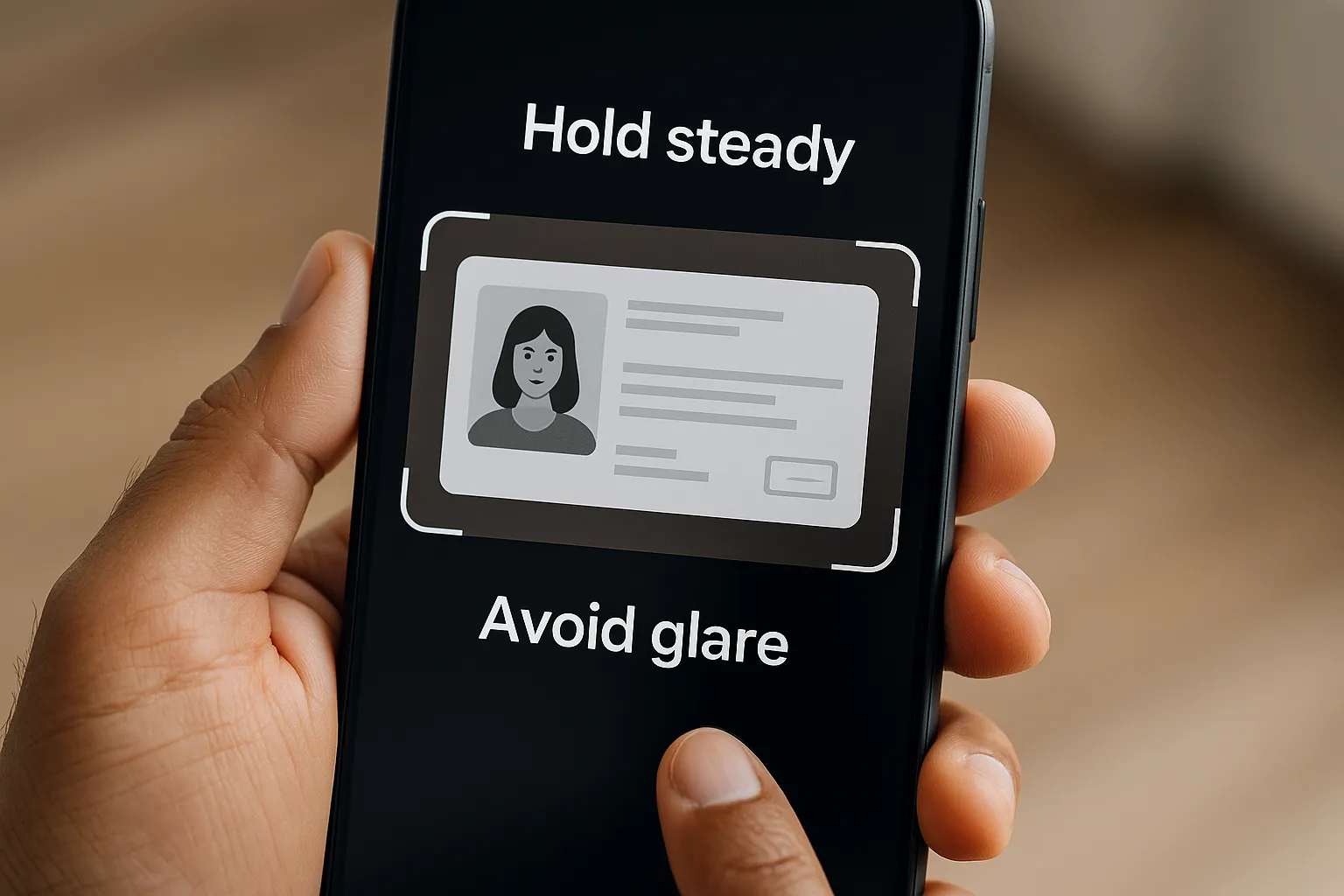
Modern document-verification SDKs offer client-side cropping and rotation. Enabling both shaved 40 seconds off the average verification time and lifted conversions by 3 %.
5. Real-Time Feedback on Image Quality
Instant green or red signals (“Corners not detected”, “Too much glare”) prevent users from submitting unusable images. The feedback loop reduced manual review queues by 18 %.
6. One-Tap Country Code Detection for Phone Numbers
Typing “+254” on a small keyboard is tedious. Auto-detect the user’s locale from IP and prefill the correct country code. This tiny tweak boosted SMS OTP delivery success by 5 % in LATAM markets.
7. In-Flow Live Chat Widget
When verification stalls, users need help now. Embedding live chat inside the KYC modal (instead of redirecting to support) recovered 7 % of would-be abandoners, particularly VIPs.
8. Transparent Data Storage Disclosure
Privacy-focused players often hesitate to upload sensitive documents. A short, non-legalese statement explaining encrypted storage and deletion timelines increased starts by 4 % among EU traffic.
9. Gamified Micro-Copy: “You’re 2 Steps From Play!”
Micro-copy that frames progress positively works wonders. Replacing “Complete Verification” with “You’re 2 Steps From Play!” delivered a 3 % lift. Keep it concise; novelty wears off beyond 50 characters.
10. Push KYC Earlier—But Not at Registration
For crypto-oriented casinos, letting users explore the lobby before hard KYC proved vital. Prompt KYC right after first deposit attempt rather than at account creation. Sessions that followed this flow converted 9 % better.
11. Fail-Safe Retry Links via SMS & Email
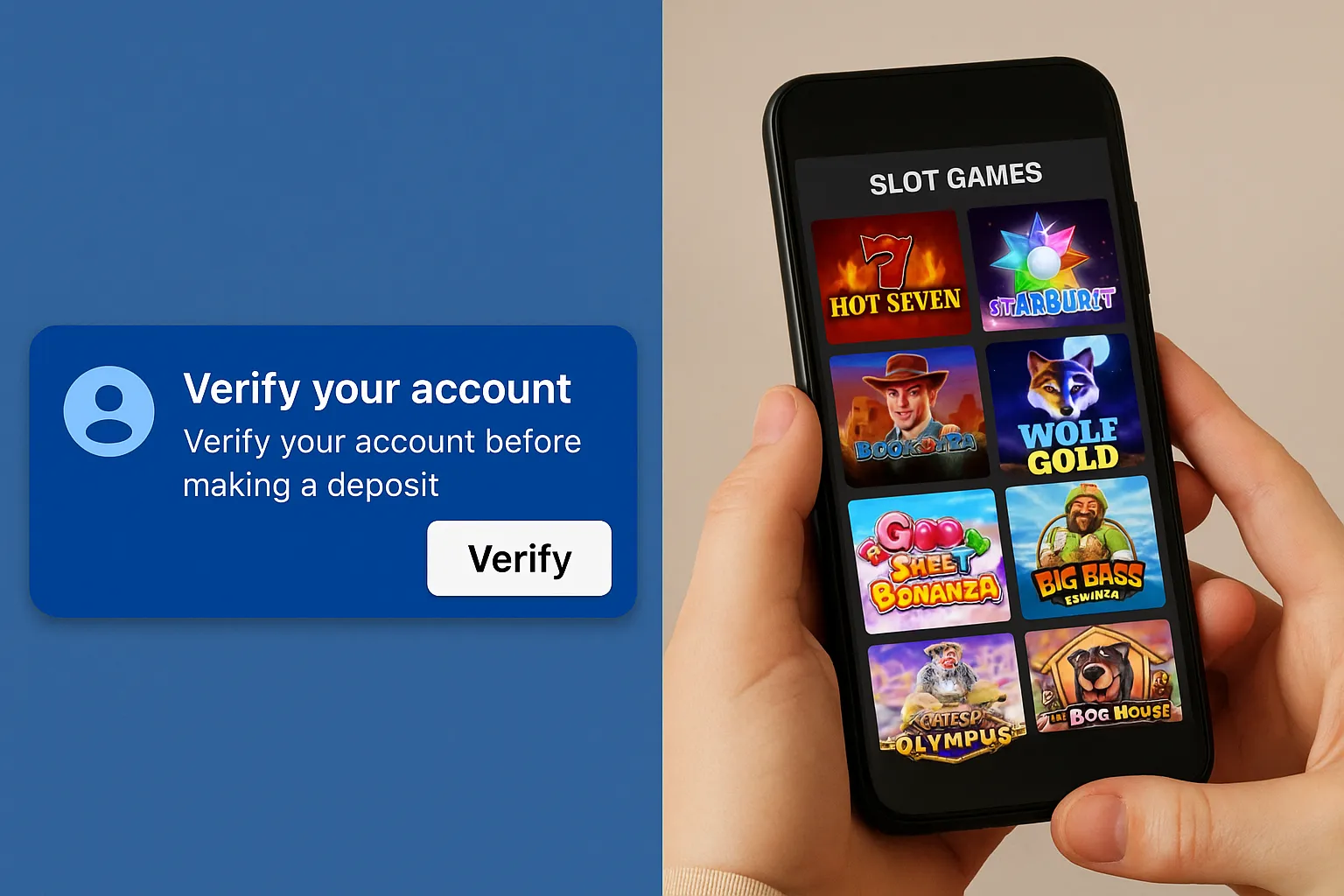
If a verification session times out or a user closes the tab, send an automated SMS/email with a deep link that resumes the flow where they left. Average completion rates recovered by 11 % for players on unreliable networks.
Implementation Roadmap (2 Weeks Sprint)
- Day 1–2: Pull KYC funnel metrics (see table above).
- Day 3–5: Ship low-code tweaks (checklist, micro-copy, progress bar).
- Day 6–8: Integrate SDK features (auto-crop, quality feedback).
- Day 9–10: Configure device-based instructions and retry links.
- Day 11–14: QA across browsers, release to 20 % of traffic, monitor.
Spinlab clients can activate most of these features directly in the back-office or via our open API, no redeploy needed. If you’re evaluating platforms, refer to our checklist of 15 Essential Features Every White Label Casino Platform Should Offer for deeper questions on KYC flexibility.
Frequently Asked Questions
Will shortening KYC hurt my AML compliance? No. All tweaks above preserve full document and liveness checks; they simply remove UX friction that causes good users to abandon.
What is an acceptable KYC completion rate for online casinos? Top-quartile operators see 80-85 % completion. Anything below 70 % indicates major UX or connectivity issues.
How can I test these tweaks without engineering resources? Low-code tools or Spinlab’s modular KYC widget let you A/B test copy, progress bars, and retry links via configuration, not code.
Ready to Slash Your KYC Drop-Off?
Spinlab’s all-in-one iGaming platform comes with a fully customisable, crypto-ready KYC widget out of the box. Book a 30-minute demo and see how our clients boost verified deposits in under two weeks.