

Why 2025 Is a Pivotal Year for New Online Casinos
The global iGaming market is forecast to reach $150 billion by 2030, with emerging markets in Latin America, Africa, and Southeast Asia powering double-digit growth. At the same time, tighter regulations and soaring player expectations have raised the bar for new operators. To succeed, you need a blueprint that blends legal rigor, technology flexibility, and data-driven marketing from day one.
Below you’ll find a practical, end-to-end roadmap that founders, investors, and product managers can follow to launch an online casino in 2025—without burning through cash or getting stuck in compliance limbo.
Step 1 – Validate Your Market and Business Model
- Choose your core audience. High-rollers in Japan, crypto-natives in Brazil, or casual slots fans in Germany—they all have different ARPU, retention patterns, and risk profiles.
- Run a TAM–SAM–SOM analysis. Quantify total addressable market (TAM), serviceable market (SAM), and serviceable obtainable market (SOM) for your chosen territories.
- Select a revenue framework. Classic rake and RTP margins, subscription-based VIP clubs, or social casino with in-app purchases? The answer determines licensing needs and cash-flow dynamics.
- Draft a three-year P&L. Investors will ask for it—and it forces you to reality-check marketing budgets and payment fees early.
Pro tip: Use data from H2 Gambling Capital, Eilers & Krejcik, and SensorTower to benchmark conversion and churn rates for your genre.
Step 2 – Secure the Right License and Compliance Stack
Regulation is no longer an afterthought. Failing here can freeze your merchant accounts and trigger six-figure fines.
- Pick a jurisdiction. Malta (MGA), Isle of Man, and Kahnawake remain popular, but Curaçao’s revamped 2025 framework now offers tiered licenses with stricter AML controls. For fast-growing markets like Ontario or Sweden, local licenses are mandatory.
- Prepare the dossier. Expect to submit UBO information, audited financials, game fairness certificates, and a full Responsible Gambling policy.
- Implement KYC/AML flows. Automate ID checks, proof of address, and transaction monitoring. Solutions like Sumsub or iDenfy can plug in via API.
- Draft GDPR-compliant data processes. Cookie consent, data subject rights, and breach notification must be embedded—especially if you target the EU.
External resource: The MGA’s official checklist (https://www.mga.org.mt/) is a helpful starting point.
Step 3 – Select a Future-Proof iGaming Platform
The platform is the engine room of your casino. Switching later is painful, so weigh these criteria carefully:
- Modularity. Can you turn on sports betting or bingo later, without re-platforming?
- Crypto and fiat payments. Players increasingly expect USDT, ETH, or lightning-fast PayPal transfers.
- Game aggregator access. A single deal should unlock thousands of slots, live tables, and crash games.
- Latency & uptime. Sub-200 ms load times and 99.95 % SLA are no longer negotiable.
- Compliance tooling. Built-in self-exclusion, loss limits, and AML reports save months of custom dev.
Fullhouse, Spinlab’s all-in-one solution, ships all of the above plus open APIs for custom front-ends. If you’d like a closer look, visit spinlab.studio/fullhouse.
Step 4 – Integrate Payment Gateways and Crypto On-Ramps
In 2025, payment preferences shift weekly. Covering multiple rails protects your conversion rates.
- Cards & e-wallets. Visa, Mastercard, Apple Pay, Google Pay.
- Bank transfers. Open banking solutions (e.g., Trustly, Volt) settle instantly in the EU and UK.
- Crypto. USDT on Tron, BTC Lightning, and stablecoin swaps for low fees.
- Pay-by-phone. Popular in MENA and parts of Africa where card penetration is low.
Design a cascading flow: if the primary method fails, the cashier should offer an alternative automatically. Fullhouse’s payment gateway orchestrator lets you set routing rules based on geo, amount, and risk score.
Step 5 – Curate a Winning Game Portfolio
The average player tries seven titles before depositing a second time. Variety is key.
- Slot classics. Starburst, Book of Dead, Gates of Olympus still print sessions.
- High-volatility crash and Plinko games appeal to crypto and Gen-Z audiences.
- Live dealer tables. Blackjack, Roulette, and Game Shows from providers such as Evolution and Pragmatic Live.
- Regional content. Teen Patti for India, Pachinko-inspired games for Japan, Lotería for LATAM.
Use a game aggregator instead of individual contracts; you’ll onboard new studios with a single API signature.
Step 6 – Design a Mobile-First User Experience
More than 70 % of wagers now come from smartphones.
- Progressive Web App (PWA) fallback. iOS App Store approvals can take months; a PWA gives instant reach.
- One-hand navigation. Place cashier and favorites within thumb range.
- Instant search. Autocomplete by provider, game type, RTP.
- Dark mode. Reduces eye fatigue and battery drain, especially for night-time players.
Step 7 – Set Up Your Back-Office & Risk Controls
A slick lobby means nothing if your ops team can’t see what’s happening under the hood.
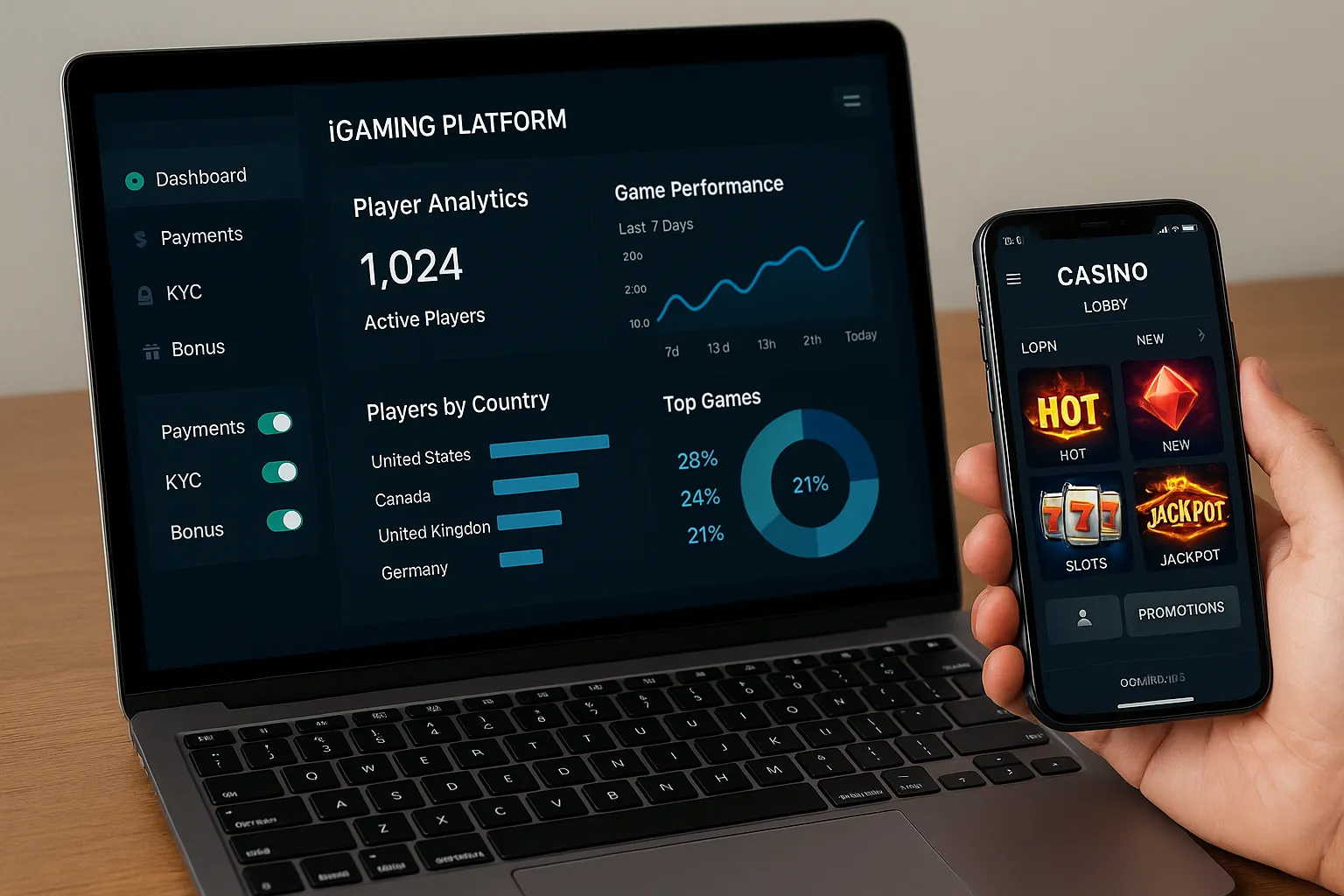
- Real-time analytics. Net gaming revenue (NGR), GGR, active players, and cohort retention updated every minute.
- Fraud prevention. Velocity checks, device fingerprinting, and bonus abuse detection.
- Segmentation & CRM. Trigger email, SMS, or onsite pop-ups when a VIP’s session hits certain thresholds.
- Role-based permissions. Keep affiliates, finance, and support teams in separate silos.
Spinlab’s Fullhouse console ships with a drag-and-drop dashboard builder, so non-technical staff can customize widgets without SQL.
Step 8 – Build a Marketing Engine Before Launch
Organic traffic takes months to mature. Combine quick wins with long-term compounding tactics.
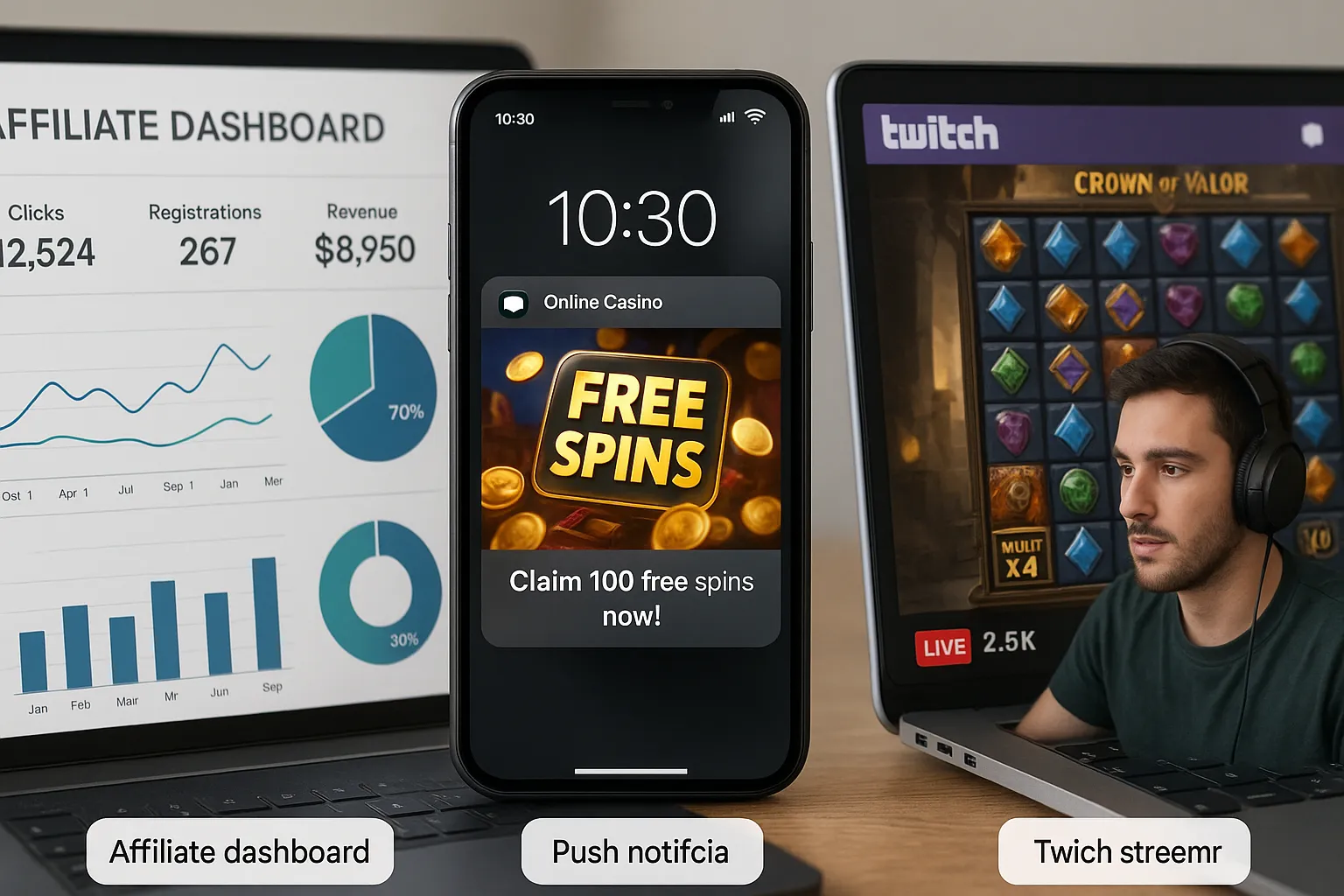
- Affiliate program. Offer hybrid CPA + rev-share deals; give partners a white-label portal for real-time stats.
- Influencer campaigns. Twitch and Kick streamers can drive thousands of RMPs (registered, money-playing) in days.
- SEO pillar content. Publish localized strategy guides and RTP calculators.
- Bonus engine. Free spins, wager-free cashback, and time-limited missions retain players better than blanket deposit matches.
Step 9 – Soft-Launch and Stress-Test
- Invite 500–1000 beta users. Incentivize them with no-wager bonuses; monitor funnel drop-offs.
- Perform load testing. Simulate 10× your peak expected traffic; many failures only surface at scale.
- Validate payment flows. Run real deposits and withdrawals in sandbox, then low-value live mode.
- Audit compliance. Ensure self-exclusion sync with national registers (e.g., GAMSTOP, ROFUS).
Step 10 – Go Live and Iterate Ruthlessly
Once you flip the switch:
- Monitor KPIs hourly for the first week: deposit success rate, game launch errors, chargeback spikes.
- Run weekly A/B experiments. Examples: change navbar copy, vary welcome-bonus wagering, test new banner art.
- Localize fast. Translate the cashier, emails, and T&C before marketing into a new region.
- Automate reporting. Regulators often require monthly or even daily data feeds; build them early.
Common Pitfalls to Avoid
- Underestimating working capital. Payment providers may hold 5-10 % reserves for 180 days.
- Ignoring post-launch compliance updates. Many operators forget to refresh risk policies after new FATF recommendations.
- Over-reliance on a single game studio. If a top title is suddenly suspended, GGR nosedives.
- Copy-paste UI templates. Differentiation matters; players can spot a cookie-cutter skin instantly.
Budget Snapshot for a Mid-Tier Launch (EUR)
- Licensing & legal: €80k–€120k
- Platform setup fees: €30k–€60k (white-label turnkey)
- Game aggregation minimums: €20k–€40k
- Marketing war-chest (first 6 months): €150k–€300k
- Working capital & reserves: €100k+
Total: €400k–€600k is realistic for a regulated, multi-currency online casino in 2025. Going crypto-only or soft-launching under a master license can trim costs but limits brand control.
Next Steps: From Blueprint to First Deposit
You now have a clear, actionable framework to move from idea to live casino. The differentiator isn’t just ticking boxes—it’s orchestrating them seamlessly. That’s where an end-to-end iGaming platform like Fullhouse accelerates your time-to-market while giving you room to innovate.
Ready to explore what your casino could look like on Fullhouse? Book a 30-minute discovery call at spinlab.studio/contact and receive a tailored launch checklist aligned with your target jurisdiction and budget.
Good luck building the next breakout brand in iGaming—and may your RTPs be ever in your favor!