

The End of Pseudo-Randomness?
Casino games live and die by the quality of their Random Number Generator (RNG). Since the dawn of online gambling, almost every slot spin or roulette result has relied on deterministic algorithms seeded by conventional entropy sources—mouse movements, CPU clock drift, atmospheric noise. While robust enough for today’s regulatory labs, these “pseudo-random” methods still leave a microscopic window for prediction and, more importantly, a gigantic trust gap in the eyes of regulators and players.
Quantum RNG (QRNG) promises to slam that window shut. By 2027, commercially viable QRNG chips and cloud APIs could make sub-atomic randomness the industry standard, fundamentally changing how fairness is measured, certified, and marketed. Here’s how—and why forward-thinking operators should already be paying attention.
What Makes Quantum RNG Different?
- Physics, not algorithms
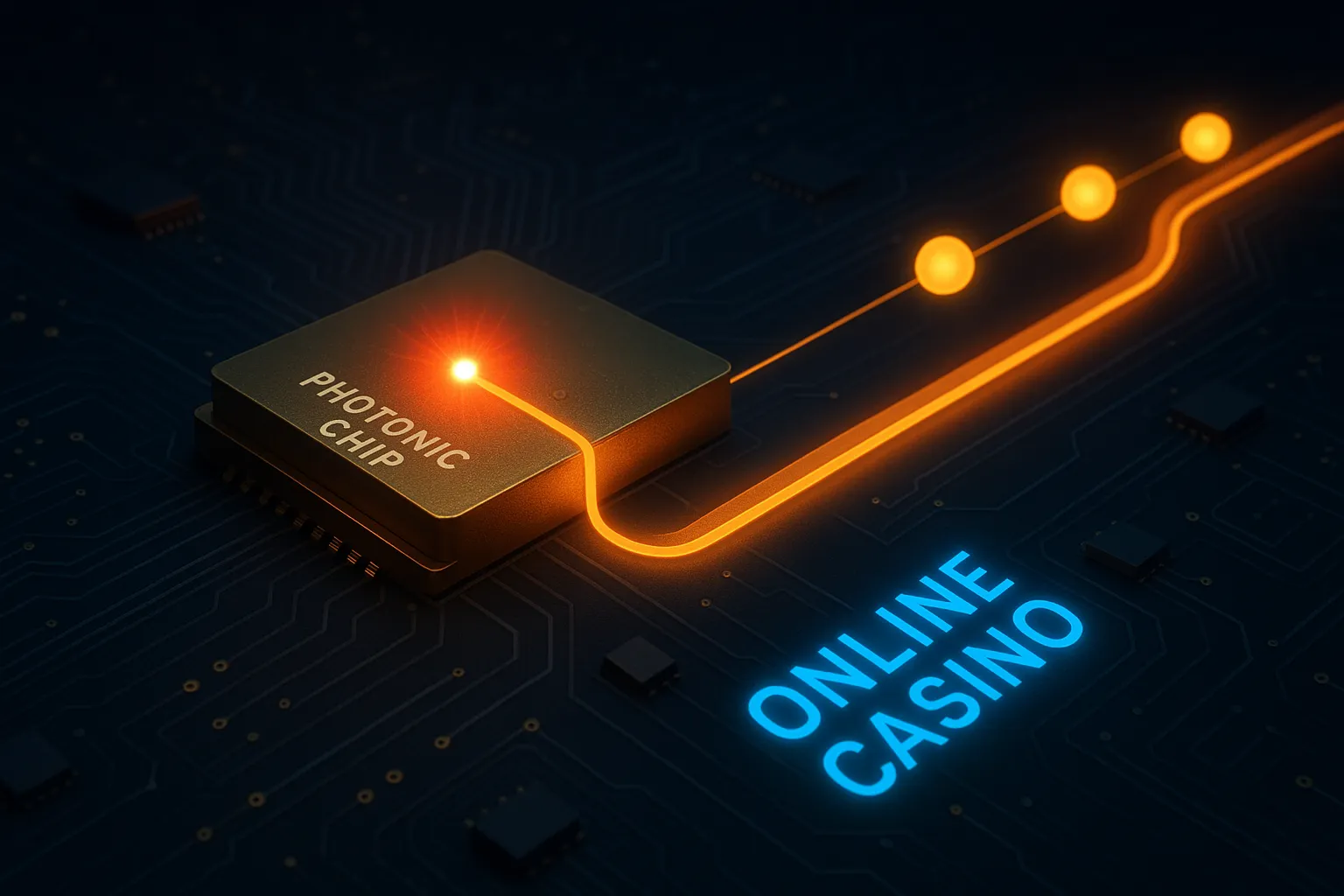
- QRNGs harness inherently unpredictable quantum phenomena—typically photon arrival times or electron spin states—rather than mathematical formulas.
- True entropy at industrial scale
- Because quantum events are genuinely random, the entropy rate (bits of randomness per second) is dramatically higher and provably unbiased without post-processing.
- Tamper-evidence baked in
- Quantum states collapse when observed. Any attempt to intercept the randomness stream leaves detectable footprints, adding a native anti-manipulation layer.
Why 2027 Is the Inflection Point
- Semiconductor roadmap: ID Quantique and Quantum Dice both unveiled PCIe QRNG cards in 2024. Their cost has already fallen below $10,000 per unit and is projected to reach $1,000 by late 2026, according to a May 2025 Deloitte study.
- Cloud accessibility: Amazon Braket’s beta “qRNG-as-a-Service” delivers 1 Gbps entropy streams for $0.002 per million bits. Microsoft and Google are rumoured to follow, commoditising access for smaller studios.
- Regulatory whispers: The UK Gambling Commission and Malta Gaming Authority have both opened consultation papers on “next-generation randomness testing” that explicitly mention QRNG pilots.
How Quantum RNG Raises the Fairness Bar
1. Mathematical Certainty in Game Audits
Typical lab certification (e.g., GLI-19) analyses vast output samples to prove pseudo-RNG uniformity. With QRNG, auditors can apply quantum-origin tests (NIST SP 800-90C) that reduce the required sample size and eliminate algorithmic reverse-engineering. Faster audits mean quicker time-to-market for new titles.
2. Player-Facing Transparency
Imagine a slot’s help screen displaying a live QRNG “health” widget showing entropy rate and real-time bias test results—streamed directly from the photonic chip. Operators can expose an API endpoint for independent verification, a PR goldmine in an era of deepening scepticism about iGaming fairness.
3. Future-Proofing Against Quantum Attacks
Ironically, the same quantum revolution threatens classical cryptography. While post-quantum encryption standards race to completion, a QRNG-derived key pool can already harden secure communications in the casino tech stack, from wallet signatures to API tokens.
Implementation Pathways for Operators
- On-Premise Hardware Integration
- Slot or live-dealer studios embed a PCIe QRNG card in their game server cluster.
- Entropy is fed into Spinlab’s open-source RNG microservice via the existing Open API integration framework.
- Ideal for tier-1 content producers needing microscopic latency.
- Cloud-Based Entropy Feeds
- Smaller white-label casinos pull random seeds over HTTPS from a certified quantum entropy pool (QEP).
- Latency < 50 ms is sufficient for most turn-based RNG games.
- Disaster recovery is simplified—redundant QEP regions can be toggled in the Spinlab back office.
- Hybrid Model
- Critical jackpot games use on-premise QRNG, while lower-risk titles rely on cloud feeds, balancing cost and compliance.
Cost Breakdown (2025-2027 Forecast)
| Item | 2025 | 2026 | 2027* |
|---|---|---|---|
| PCIe QRNG card | $9,800 | $4,300 | $1,250 |
| Cloud entropy (per TB) | $2,400 | $960 | $300 |
| Compliance audit premium | +20% | +10% | Baseline |
| *: industry consensus estimate, Sources: ID Quantique, Deloitte Quantum Tech Outlook 2025 |
Roadblocks Nobody Talks About
- Throughput bottlenecks: A premium video slot can call the RNG 150+ times per spin. At 15,000 concurrent sessions, that’s 2.25 M calls per second. Operators will need load-balanced entropy caches to avoid micro-latency spikes.
- Key management: Feeding randomness into cryptographic modules requires airtight coordination with Hardware Security Modules (HSMs). Expect new compliance clauses around QRNG-HSM pairing.
- Education deficit: Most regulators and even CTOs conflate “quantum computing” with QRNG. Clear documentation and third-party white papers are mandatory to gain approval.
Marketing Upside: From Feature to Brand Pillar
- Trust Badges
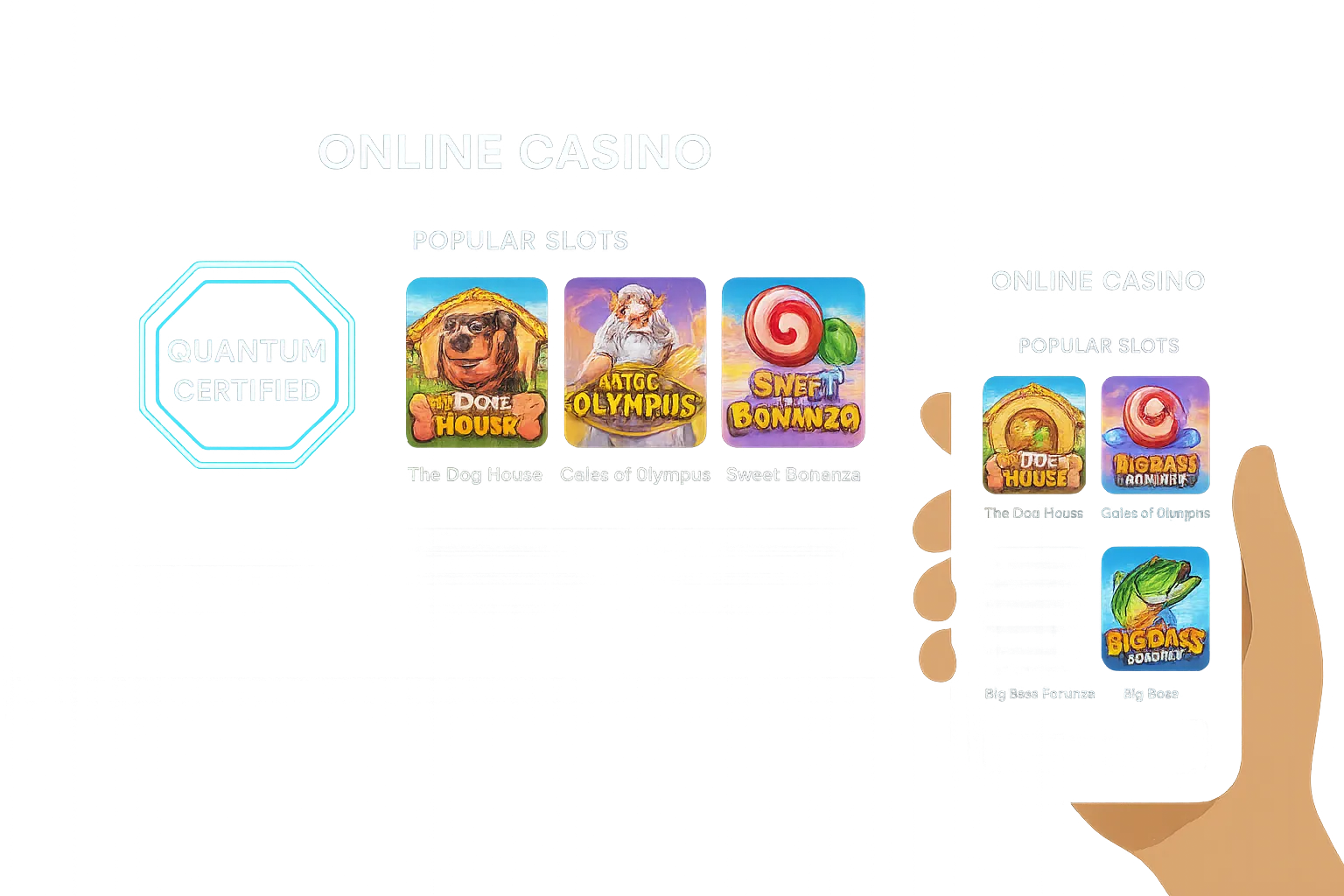
- "Powered by Quantum Randomness" could join SSL pads and MGA seals on the footer of every casino page.
- Higher value player segments
- According to a 2025 Kantar survey, 34% of high-stakes players cite “provable fairness” as their top selection criterion—up from 18% in 2021.
- Affiliate leverage
- Affiliates endlessly chase fresh talking points. A QRNG-certified lobby makes for higher click-through rates and commission revenue.
Spinlab’s Positioning
Because Spinlab’s whitelabel platform already supports modular RNG adapters, adding QRNG is mostly a configuration change:
- Plug-and-play QRNG microservice in the SDK.
- Real-time entropy health metrics surfaced in the existing analytics dashboard (see our article on Real-Time Analytics in iGaming).
- Automated certificate storage within the customizable back office for hassle-free audits.
Operators can run A/B tests—pseudo-RNG vs QRNG—to measure impact on retention and turnover, then scale up via Spinlab’s elastic architecture described in the Fullhouse Case Study.
Frequently Asked Questions (FAQ)
Is QRNG already legal for online gambling?
Yes. Regulators care about verifiable randomness, not the source. If a lab can certify the output, QRNG is acceptable. Some jurisdictions, like Alderney, have already reviewed QRNG modules.
Can players verify QRNG fairness themselves?
Sort of. Operators can expose hash-chained entropy snippets or WebSocket feeds. Players or watchdog sites then run chi-square tests in real time.
Does QRNG slow down gameplay?
With proper caching, quantum entropy retrieval adds <2 ms per call—imperceptible to users.
Will QRNG replace provably fair algorithms used by crypto casinos?
They’re complementary. Many provably fair schemes still need a high-quality seed; QRNG simply guarantees that the seed is truly unpredictable.
What happens if the quantum hardware fails?
Failover to a certified pseudo-RNG source is standard practice, but a health monitor instantly flags anomalies so games can be paused or switched.
Ready to Future-Proof Your Casino?
Spinlab is already piloting QRNG integration with select partners. Request early-access documentation and see how effortlessly you can upgrade fairness, compliance, and player trust in one move.
Book a 20-minute demo and get quantum-ready before your competitors even know what hit them.